

 Home
Home Features
 Testimonials
 Downloads
 FAQ
FAQ Blog
Blog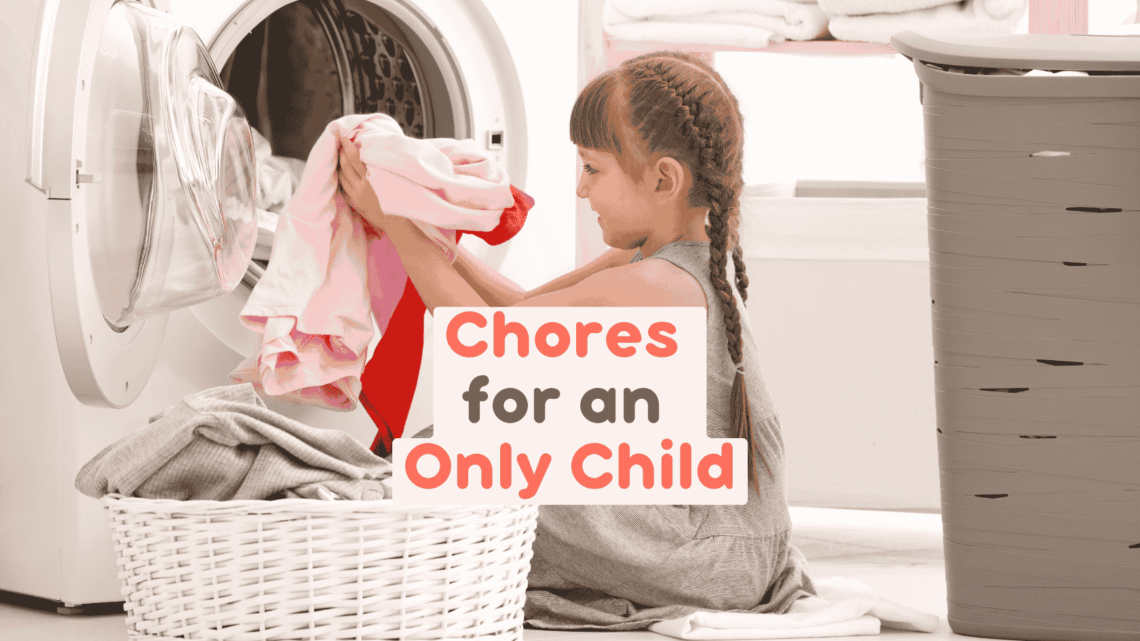
Chores for an only child play an important role in teaching responsibility, independence and cooperation, and a chore app like Kikaroo helps parents create clear routines so children understand their role in the household even without siblings.
When a child grows up without brothers or sisters, chores become one of the main ways they learn how to contribute, share responsibility and understand teamwork within the family.
Only children often spend more time with adults, which can make them capable and mature, but chores help balance this by teaching self reliance and accountability.
Without siblings to model behavior, it is especially important to give an only child clear expectations and consistent routines. Chores help them understand that helping at home is a normal part of family life.
Below are the best types of chores for an only child and how each one supports healthy development.
Taking Care of Their Own Space
An only child can take full responsibility for their bedroom. Cleaning toys, organizing shelves, making the bed and putting clothes away teaches ownership and pride. Since there are no siblings sharing the space, the child learns that the room stays clean because of their effort alone. This builds accountability and confidence.
Helping With Daily Household Chores
Daily chores such as setting the table, clearing dishes and wiping surfaces teach an only child how to contribute to shared spaces. These chores show that even without siblings, everyone in the household has responsibilities. It also helps the child feel like an important part of the family routine.
Laundry Chores for Personal Responsibility
Only children benefit from handling their own laundry chores. Placing dirty clothes in the basket, folding clean clothes and putting them away teach independence and care for personal belongings. These chores help children understand how daily life works and prepare them for future independence.
Helping With Meal Preparation
Simple kitchen chores such as rinsing vegetables, mixing ingredients or helping set up meals teach practical skills and patience. An only child often enjoys one on one time with a parent, and kitchen chores provide a chance to work together while still building responsibility.
Cleaning Shared Living Areas
Living room chores such as organizing books, folding blankets or tidying toys teach respect for shared spaces. Even though the child may be the only one using some items, they learn that shared areas belong to everyone in the home and should be cared for regularly.
In the middle of chore routines, many parents use Kikaroo to visually show an only child what chores need to be done each day or week, which helps build consistency and prevents chores from being forgotten or avoided.
Caring for Pets or Plants
If the family has pets or plants, these chores are especially meaningful for an only child. Feeding a pet, refilling water bowls or watering plants teaches empathy, routine and consistency. The child learns that another living being depends on their actions, which builds emotional responsibility.
Independent Chores That Build Confidence
Only children often enjoy independent chores such as packing their school bag, organizing school supplies or preparing simple snacks. These chores strengthen decision making and self confidence. They also help the child feel capable and trusted.
Outdoor Chores for Balance
Outdoor chores such as watering plants, sweeping the porch or cleaning outdoor toys give only children a chance to move, explore and stay active. These chores balance indoor routines and help children enjoy responsibility in a more physical and relaxed way.
Rotating Chores to Avoid Boredom
Because an only child does not share chores with siblings, rotating chores is important. Changing responsibilities weekly or monthly keeps routines fresh and prevents boredom. Rotation also helps the child learn a wider range of life skills.
Teaching Cooperation Without Siblings
Even without siblings, chores can teach cooperation. Parents can frame chores as teamwork between parent and child. Cleaning together, cooking together or organizing together teaches communication, patience and shared effort. This prepares the child for teamwork in school and social settings.
Avoiding Overloading an Only Child
It is important not to give an only child too many chores at once. Chores should be age appropriate and balanced with play and rest. The goal is to teach responsibility, not create pressure. Clear expectations and positive feedback help keep chores enjoyable.
Conclusion
Chores for an only child help build independence, confidence and responsibility while teaching the value of contributing to family life, and with support from a chore app like Kikaroo, parents can create clear routines that make expectations easy to follow and rewarding.
Whether the child is caring for their room, helping with meals or managing daily responsibilities, chores help only children grow into capable and confident individuals who understand their role in a shared world.