

 Home
Home Features
 Testimonials
 Downloads
 FAQ
FAQ Blog
Blog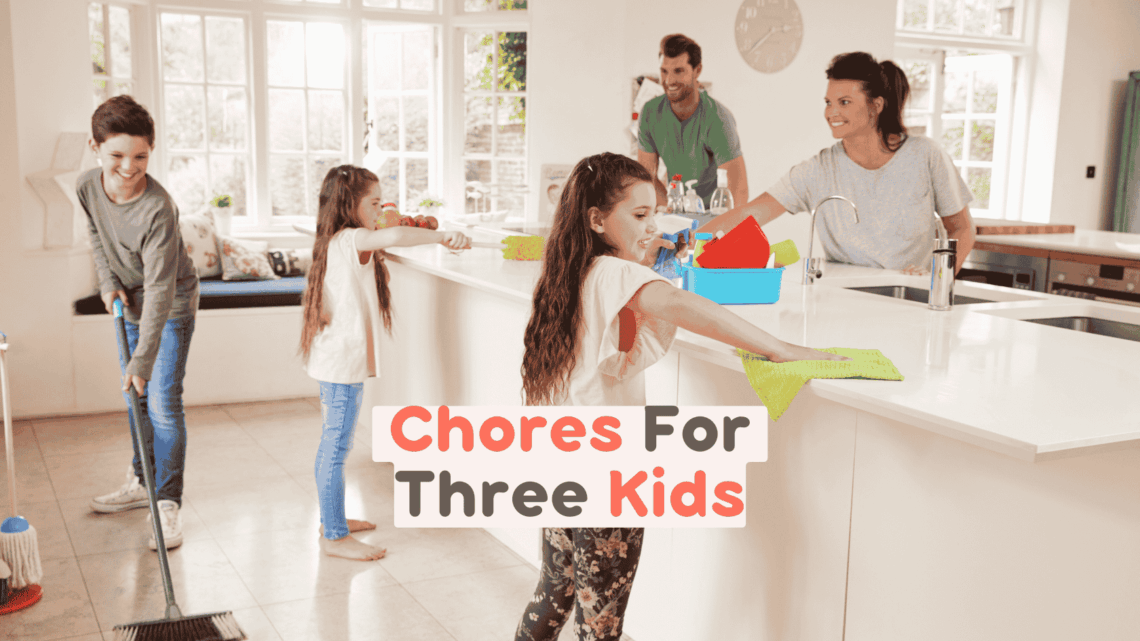
Managing chores for three kids can feel challenging, but clear structure makes everything easier, and a chore app like Kikaroo.app helps families assign chores fairly so each child knows their role without confusion. When three kids share a home, chores become an important way to teach cooperation, responsibility and respect for shared spaces. A clear chore system reduces arguments and helps children understand that everyone contributes in their own way.
With three kids, chores work best when they are balanced by age, ability and shared responsibility. Not every chore needs to be equal, but every child should feel involved and valued. Rotating chores and mixing individual and shared responsibilities helps keep routines smooth and fair.
Personal Chores for Each Child
Each child should have personal chores that belong only to them. Making their bed, putting clothes away and keeping their personal space tidy teaches ownership and accountability. Personal chores help children understand that some responsibilities are theirs alone, regardless of what siblings are doing.
Shared Bedroom or Playroom Chores
When three kids share a room or play area, shared chores help them learn cooperation. One child can organize toys, another can straighten shelves and the third can clear the floor. These shared chores teach compromise and communication while keeping the space usable for everyone.
Kitchen Chores Rotation
Kitchen chores work well when rotated among three kids. One child can set the table, another can clear dishes and the third can wipe the table or sweep crumbs. Rotating these chores weekly prevents boredom and helps each child learn the full kitchen routine.
Laundry Chores by Level
Laundry chores can be divided based on age and ability. Younger kids can place dirty clothes in baskets, while older kids can help fold clothes or match socks. This system allows all three kids to participate without overwhelming anyone.
Living Room Chores as a Team
The living room is a shared space that benefits from teamwork. One child can organize books, another can fold blankets and the third can tidy toys. Team chores reduce arguments and show kids how working together makes cleaning faster and easier.
In the middle of daily routines, many families use Kikaroo.app to clearly show each child their assigned chores, which helps prevent disagreements and keeps expectations consistent.
Bathroom Chores Split Fairly
Bathroom chores can be divided simply. One child can hang towels, another can wipe the sink and the third can restock toilet paper. These small responsibilities teach hygiene and respect for shared spaces.
Outdoor Chores for Balance
Outdoor chores are a great way for three kids to stay active while helping together. One child can water plants, another can sweep the porch and the third can organize outdoor toys. These chores encourage movement and teamwork.
Pet Care Chores Rotation
If the family has pets, rotating pet care chores works well. One child can feed the pet, another can refill water and the third can organize pet supplies. Rotating these chores teaches empathy and shared responsibility.
School Related Chores
Each child should manage their own school related chores. Packing backpacks, organizing school supplies and putting shoes away help kids prepare for the day independently. This reduces stress and builds confidence.
Weekly Chore Rotation
Weekly rotation helps keep chores fresh and fair. Switching roles every week allows each child to learn different skills while preventing frustration. Rotation also teaches flexibility and fairness.
Teaching Cooperation Over Competition
With three kids, it is important to focus on cooperation rather than comparison. Praise effort and teamwork instead of speed or perfection. Chores should feel like shared responsibility, not a competition.
Conclusion
Chores for three kids work best when responsibilities are clear, balanced and consistent, and with the support of Kikaroo.app, parents can manage routines smoothly so each child knows exactly what to do. By mixing personal chores, shared chores and rotating responsibilities, families create a system that builds cooperation, independence and confidence.
When three kids work together, chores become a powerful way to teach teamwork and responsibility that lasts well beyond childhood.