

 Home
Home Features
 Testimonials
 Downloads
 FAQ
FAQ Blog
Blog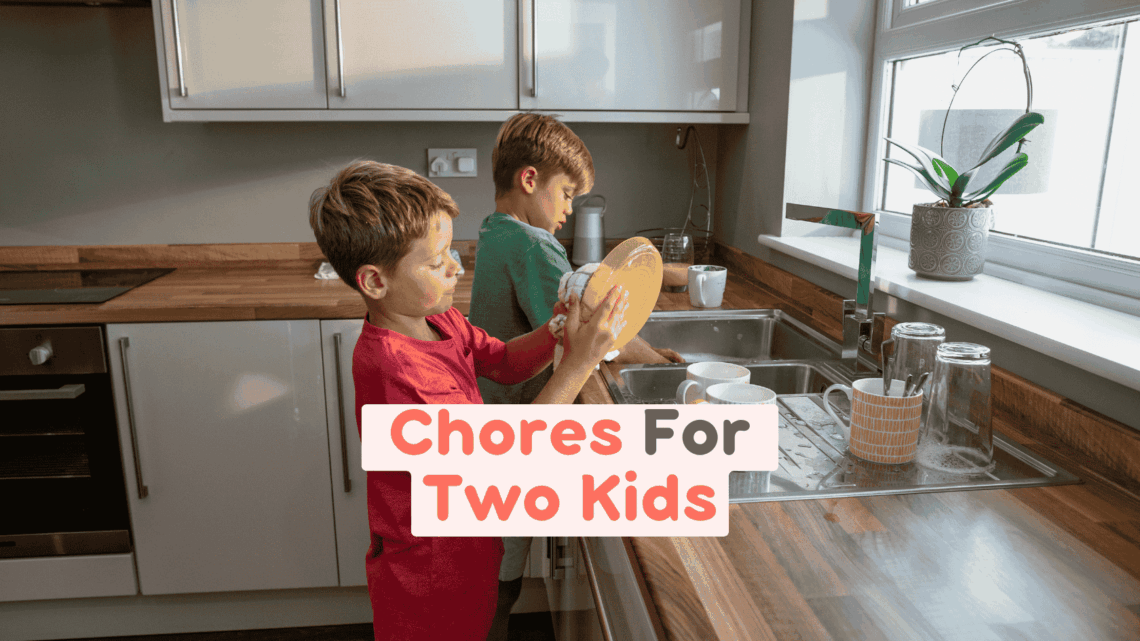
A clear chores list for two kids helps families create balance, fairness and teamwork, and a chore app like Kikaroo.app makes it easier for parents to assign chores so both children know what they are responsible for each day. When two kids share a home, chores help them learn cooperation, patience and shared responsibility. A well planned chore list also reduces arguments by making expectations clear for everyone.
With two kids, chores should be divided in a way that feels fair but not necessarily equal. Each child should have chores that match their age and ability while still contributing to shared spaces. Below is a practical and flexible chores list for two kids, with ideas that work for many families.
Shared Bedroom Chores
When two kids share a bedroom or play area, shared chores help them learn cooperation and compromise. One child can make the bed while the other puts toys away, or they can take turns organizing shelves and clearing the floor. These chores teach kids how to work together and respect shared space.
Making the Bed
Each child should be responsible for their own bed. Making the bed teaches routine, discipline and personal responsibility. Even simple actions like pulling up the blanket and straightening pillows help kids start the day with a sense of accomplishment.
Putting Toys Away
Both kids can be responsible for cleaning up toys after playtime. One child can collect larger toys while the other handles smaller items. This division of chores prevents conflict and shows how teamwork makes cleanup faster and easier.
Setting and Clearing the Table
One child can set the table while the other clears dishes after meals. Rotating these chores weekly keeps things fair and helps both kids learn the full routine. These chores teach responsibility and respect for shared family time.
Laundry Chores
Each child should manage their own dirty clothes by placing them in the laundry basket. Older kids can help fold clean clothes while younger ones sort socks. Laundry chores teach care for personal belongings and independence.
In the middle of daily routines, many families use Kikaroo.app to show each child their assigned chores visually, which helps avoid confusion and arguments about who should do what.
Sweeping and Tidying Shared Areas
One child can sweep crumbs or dirt while the other organizes books, blankets or shoes. These chores teach kids that shared spaces belong to everyone and require shared effort to stay clean.
Organizing School Items
Each child should pack their own backpack and organize school supplies. This chore builds independence and helps kids prepare for the school day without relying on parents or siblings.
Helping With Simple Kitchen Chores
One child can wipe the table while the other helps wash fruits or vegetables. Kitchen chores teach cooperation and give kids a chance to work side by side in a busy space.
Feeding Pets or Watering Plants
If the family has pets or plants, kids can take turns caring for them. One child feeds the pet while the other refills water or waters plants. These chores teach empathy, consistency and teamwork.
Rotating Weekly Chores
Rotating chores weekly helps prevent boredom and resentment. Kids learn flexibility and develop a wider range of skills. Rotation also keeps chores feeling fair over time.
Encouraging Teamwork Over Competition
With two kids, it is important to focus on teamwork instead of comparison. Praise effort, not speed, and encourage kids to help each other when needed. Chores should feel like a shared responsibility, not a competition.
Conclusion
A well planned chores list for two kids helps build responsibility, cooperation and balance in the home, and with support from Kikaroo.app, parents can clearly assign and track chores so both children feel confident and treated fairly. When kids share chores, rotate responsibilities and work together, they learn teamwork and independence that support them far beyond the home.