

 Home
Home Features
 Testimonials
 Downloads
 FAQ
FAQ Blog
Blog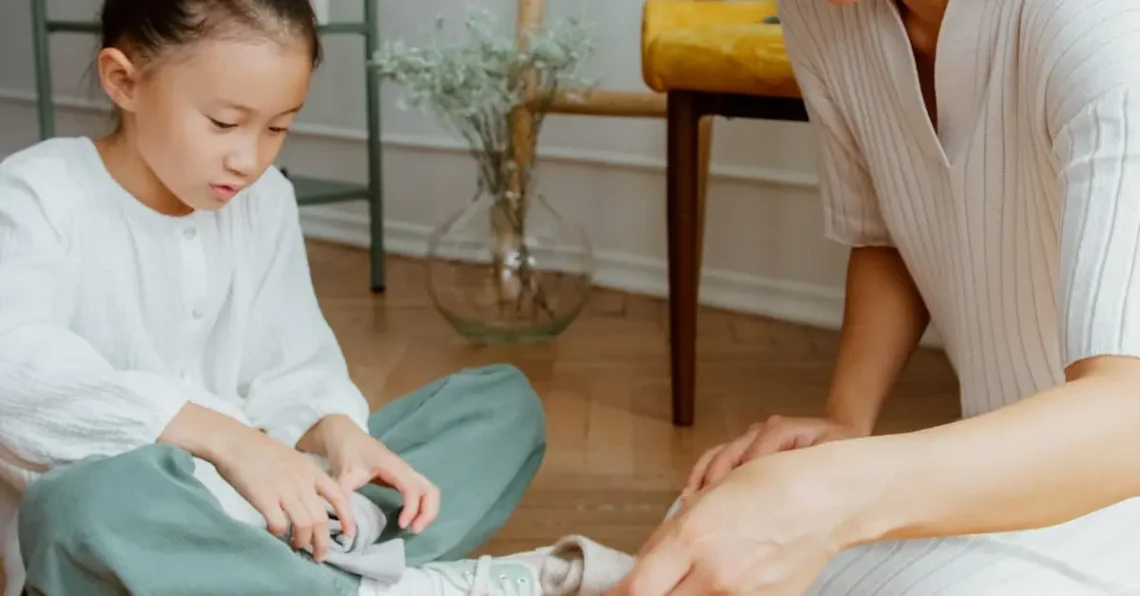
Ever find yourself pleading, reminding, or trading screen time just to get a sock in the hamper? You’re not alone. Many parents hit a wall when they try to turn chores into habits — and wonder if those same small tasks could teach more than tidiness. That’s where chores that teach kids life skills come in: they build responsibility, confidence, and independence while you get a cleaner home and fewer arguments.
If you want a quick way to organize age-appropriate jobs and turn them into teachable moments, grab our free printable chore charts by age to match tasks with your child’s stage: Free printable chore charts by age.
Why Chores That Teach Kids Life Skills Matter
Daily tasks are a low-pressure classroom. Regular chores build responsibility, confidence, and independence — plus routines themselves support emotional regulation and executive function. Research on family routines shows that predictable household practices are linked to better social and emotional functioning in children (Fiese et al., 2002). The Harvard Center on the Developing Child also highlights how everyday interactions and structured routines support developing brain architecture and self-control.
For more on matching chores to developmental stages, check our chores by age guide — it’s a great companion when you’re deciding what tasks teach which skills.
Chores That Teach Kids Life Skills: 15 Practical Learning Tasks
Below are hands-on chores organized by the skill they most naturally teach. Each item includes a short idea for how to turn the task into a mini-lesson or habit-builder. These activities are adaptable for ages 3–12 — tweak complexity for preschoolers versus tweens.
1. Sorting laundry — categorization & math
What it teaches: patterns, colors, categorizing, counting. Ask kids to sort clothes by color or type, count socks, or make piles of “three shirts each” to practice division basics.
2. Setting the table — sequencing & spatial reasoning
What it teaches: order, matching, fine motor skills. Create a visual placemat with labels (fork, knife, cup) or use a ‘‘set the table race’’ for younger kids to practice following a sequence.
3. Measuring ingredients — fractions & following directions
What it teaches: measurement, fractions, reading instructions. Let kids measure cups of flour or water when cooking. Discuss half, quarter, and double to link math vocabulary to real life.
4. Food prep (washing, peeling, chopping with supervision) — science & nutrition
What it teaches: food groups, safe tool use, cause and effect. Talk about why rinsing vegetables matters, or have them predict what will happen when you mix ingredients.
5. Garden care — biology & responsibility
What it teaches: plant life cycles, observation, delayed gratification. Have kids track growth with a simple chart and measure plant height weekly.
6. Grocery list & price comparison — budgeting & decision-making
What it teaches: math, critical thinking, prioritizing. Give older kids a small budget for snacks and ask them to choose items, compare unit prices, and explain their pick.
7. Vacuuming or sweeping — systems thinking & responsibility
What it teaches: planning, quality control. Create a checklist for a “cleaning route” so they learn to work methodically rather than randomly.
8. Making the bed — routines & executive function
What it teaches: sequencing and self-care. Break the task into simple steps and praise consistent completion to reinforce routines that support independence.
9. Sorting recycling — environmental science & classification
What it teaches: categories, impact, cause/effect. Turn it into a game: which bin gets paper, which gets plastics? Discuss why recycling matters for the planet.
10. Folding clothes — fine motor skills & pattern recognition
What it teaches: symmetry, patterns, following multi-step tasks. Start with simple items (washcloths) and progress to shirts and socks; encourage neatness.
11. Calendar planning — time management & planning
What it teaches: days of week, deadlines, prioritizing. Have kids add school events and their chores to a family calendar — this builds ownership over their schedule.
12. Pet care (feeding, brushing) — empathy & routine
What it teaches: responsibility, compassion, consistency. Use charts to track feeding and grooming so kids see the results of regular care.
13. Simple repairs (screwing, tightening) with supervision — tool use & physics
What it teaches: cause/effect, measuring, safety. Teach safe handling and basic mechanics — kids gain confidence using tools responsibly.
14. Grocery bag unpacking — counting & categorization
What it teaches: inventory, categorization. Ask kids to check off items against the list and organize by storage location (pantry, fridge, freezer).
15. Meal planning — nutrition & logical thinking
What it teaches: balancing meals, planning ahead. Let older kids plan one family dinner each week with a shopping list and a simple recipe.
Want these ideas on tidy printables you can assign by age? Download the free set here: Free printable chore charts by age.
Tips for Teaching Life Skills Through Chores
Turning chores into learning moments is simple — but there are pitfalls. Here’s how to keep it positive and productive.
Tip 1: Make tasks predictable, not punitive
Consistency builds habits. Use a chore chart or routine (morning/evening) so kids know what’s expected instead of being surprised or shamed into doing something.
Tip 2: Teach, then fade support
Show steps once, practice together twice, then step back. That gradual-release model builds competence and preserves your energy.
Tip 3: Match tasks to development
If a job is too hard, kids will resist. Use age-appropriate tasks and adapt complexity — see our chores by age advice for ideas.
Common mistake: Using chores only as punishment
Make chores regular and teachable. If chores are always tied to discipline, kids learn to dread them instead of learning the skills they offer.
Common mistake: Over-scaffolding
Doing the job for them undermines the learning. Offer feedback, not takeover.
Tracking Chores That Teach Kids Life Skills — Make Learning Visible
Tracking progress helps kids see their skill growth, and a visual system reduces nagging. The Kikaroo app turns these learning-focused chores into clear tasks with rewards and progress tracking so children stay motivated while you build their independence and sense of responsibility. Use Kikaroo to assign age-appropriate tasks, set reminders, and celebrate learning milestones.
Get started with Kikaroo to track chores, link tasks to learning goals, and cut down on reminders: Try the Kikaroo app.
Internal links (further reading)
- More on assigning age-appropriate chores (chores by age guide)
- Practical tips to make chores easier and less naggy
- Ideas on how to motivate kids and keep chores positive
Research that supports chore-based learning
Family routines and predictable tasks matter: a review of family routines and rituals found links to improved child outcomes and better family functioning (Fiese et al., 2002). The Harvard Center on the Developing Child explains how everyday experiences and structured routines support executive function and emotional regulation — the same skills many chores help develop.
References:
- Fiese, B. H., et al. (2002). Family routines and rituals: A context for development in young children. PubMed.
- Center on the Developing Child at Harvard University. Executive Function & Self-Regulation. developingchild.harvard.edu.
FAQ
Q: How often should kids do these learning chores?
A: Start small — daily micro-tasks (make bed, set table) and weekly deeper tasks (meal planning, gardening). Consistency matters more than frequency.
Q: Do chores need rewards to work?
A: Not always. Young kids respond to immediate praise and visible progress; older kids may benefit from small incentives. Use rewards thoughtfully to build intrinsic motivation over time.
Q: What if my child refuses?
A: Try teaching the skill with you first, offer choices, and break tasks into tiny steps. If resistance continues, revisit the match between task difficulty and your child’s ability.
Conclusion — Turn Daily Tasks Into Life Skill Lessons
Chores that double as learning activities turn ordinary household tasks into powerful tools for building responsibility, independence, and life skills. With predictable routines, age-appropriate expectations, and simple tracking (our free printable chore charts can help), you’ll reduce nagging and boost your child’s confidence. Ready to make chores a learning win? Download the free printable charts and try Kikaroo to track progress and celebrate skill-building.
Download the free printable chore charts by age — and visit Kikaroo to turn those charts into a motivating, trackable routine.