

 Home
Home Features
 Testimonials
 Downloads
 FAQ
FAQ Blog
Blog
Households come in many shapes and sizes, and the way chores work inside a home changes depending on how many children are part of the daily routine.
A family with one child moves differently than a home with three children or a large group of siblings. Every parent tries to build habits that feel fair, clear and manageable.
The right structure depends on how many helping hands are available and how responsibilities can be shared in a calm and steady way.
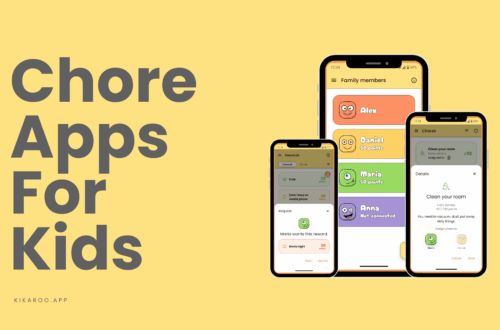
Chore apps such as Kikaroo make this easier because parents can adjust tasks to match the number of children in the home.
The more children there are, the more important it becomes to divide responsibilities in a simple way that prevents confusion.
This guide walks through different family sizes and explains how chores can be organized so that every child learns responsibility without feeling overwhelmed.
Chores For Single Kids
A home with only one child moves at a slower and more personal pace. Parents do not need to negotiate between siblings, but they still want to help their child build useful habits.
The biggest challenge for single child families is that the only child carries all the small tasks alone. There is no teammate to share the load, so tasks must be realistic and evenly spaced through the week.
Parents often begin with small daily expectations such as setting the table, tidying the bedroom or helping with meal preparation.
These tasks teach steady responsibility without feeling too heavy.
Children in single kid families often enjoy one on one time, so chores can become moments of connection. Cooking together, folding laundry or feeding a pet can be chances to teach skills while bonding.
Kikaroo works well for single child families because the child sees their tasks clearly and can follow their progress without comparison to anyone else. The parent can add tasks slowly as the child grows. Since there is no sibling competition, rewards or points can stay simple. The focus is usually on building independence and confidence.
Another advantage for single child families is flexibility. If a chore becomes too difficult, parents can adjust it quickly without affecting anyone else. If the child wants more responsibility, new tasks can be added easily. This creates a healthy sense of control and supports the child’s natural growth.
Consistency is the key for homes with one child. A steady routine helps the child understand expectations and keeps the home running smoothly.
When chores become part of daily life, the child carries these habits later into school and other activities. It becomes part of who they are, not something imposed.
Chores For Two Kids
When there are two children, the home becomes more dynamic. Parents often talk about balance. Each child should feel that chores are fair and matched to their age and ability. The advantage of two children is that they can share tasks and learn teamwork, but the challenge is making sure they do not compare themselves too closely.
Many families with two children use a simple rotation system. For example, one child may handle dishes tonight and the other handles the next night. One child may take out the trash while the other cleans the table. Swapping tasks keeps things equal and prevents resentment. It also exposes both children to different responsibilities.
Parents with two children also pay attention to personality. One child might prefer indoor chores while the other enjoys outdoor tasks. Some parents allow children to choose from a small list so they feel included in decision making. This reduces conflict and encourages cooperation.
Kikaroo supports two child families well because each child gets their own profile. Tasks can be assigned evenly and changed when needed. The app also helps track progress so children do not argue about who did more. Everything becomes clear and visible. This reduces pressure on parents and keeps the atmosphere peaceful.
Chores for two children can also include shared responsibilities. Cleaning a shared play area, helping with a family pet or preparing snacks together teaches cooperation.
Children learn how to communicate, divide tasks and support each other. This prepares them for teamwork in school and later in life.
Parents often find that chores for two children require a mix of fairness and flexibility. Some days one child may need extra time or help, and the other child can support them. The goal is not perfect balance every moment, but a steady rhythm that feels fair in the long run. With gentle guidance, two child homes adapt easily and run smoothly.
Chores For Three Kids
Three child households introduce a new level of coordination. Parents now have a small team to work with, which can be a wonderful advantage. The challenge is preventing cluttered schedules and making sure no child feels lost in the shuffle. With three children, chore planning becomes more structured.
A popular method for three child families is grouping tasks into categories.
For example, one child manages kitchen tasks for the week, another handles bedroom or playroom cleanups and the third takes care of pet duties or household tidying.
The next week, they rotate. This creates a predictable pattern that feels fair and teaches responsibility across all areas.
Some parents prefer assigning chores based on age. The oldest may take on tasks that require more skill, the middle child may handle tasks that require less strength and the youngest may focus on simple tasks. This respects ability levels while still making everyone part of the family routine.
Three child homes also benefit from shared tasks. Large chores like weekend cleanup, folding laundry together or organizing shared spaces become easier with more hands. The challenge is making sure one child does not take over while others become passive. Clear instructions and visible checklists help maintain balance.
Kikaroo supports three child families by showing each child what they need to do without confusion. Tasks can be color coded or personalized, and parents can track progress without raising their voices. Children see who has completed what and what still needs attention. This keeps the home organized and reduces arguments.
Three child families often find that chores help build important social skills. Children learn how to negotiate, wait for their turn, help a sibling who is younger and communicate clearly when they need support. When the chore system is predictable and kind, the entire home becomes calmer and more cooperative.
Chores for Large Families
Large families, with four or more children, function like busy communities. Chores are essential because without them the home can quickly become overwhelming.
The key is division of labor.
Every child should know exactly what is expected and when they should do it.
Large families usually organize chores in systems rather than individual tasks. Parents may assign zones, such as kitchen area, bedrooms, hallway or living room.
Each child takes a zone and maintains it through the week. This makes responsibilities clear and helps children feel ownership over their space.
Another method is checklist grouping. Parents create a weekly list of tasks and divide them among the children. Some families also use morning and evening lists so children always know what needs to be done before school and before bedtime. This reduces chaos and helps everyone move through the day smoothly.
For large families, chore apps like Kikaroo are extremely helpful. The app shows each child their tasks, prevents confusion and allows parents to adjust chores when needed. Children enjoy seeing their progress through the day. It also helps prevent the common argument of who did what and who forgot something.
Large families often deal with different age groups at the same time. Younger children may help with simple tasks such as tidying toys or feeding pets, while older children take on more complex tasks like vacuuming or helping with meal preparation. Parents try to match tasks to abilities so everyone contributes.
One advantage of large families is teamwork. Many chores can be done together, which builds cooperation and reduces the load. Children learn to work with siblings, communicate well and show leadership when needed. When everyone helps, the home runs more efficiently and with less stress.
The main challenge for large families is avoiding burnout. A steady system with clear routines keeps things manageable. When children understand their responsibilities and feel appreciated, chores become part of daily life instead of constant battles.
Chores for Blended or Shared Households
Blended families and shared households, where children move between two homes or live with step siblings, have unique needs. Chores must be clear, gentle and consistent across different environments. Parents often focus on building routines that feel familiar no matter which home the child is in.
The biggest challenge in blended households is adjusting expectations. Children may follow one set of chores at one home and another set at the other home. Coordinating these systems makes life easier.
Some parents choose to match certain routines, such as morning tasks or bedtime cleanup, so the child always knows what to expect.
Chore apps such as Kikaroo are especially helpful in blended homes because the child sees the same list no matter where they are. This brings stability and reduces confusion. It also helps new family members integrate slowly and respectfully into the routine without feeling overwhelmed.
Fairness is another important part of blended households. Children must feel that expectations are balanced across both homes. Parents often create simple task lists that travel with the child, either through an app or printed schedule. This builds confidence and gives children a sense of control.
Communication between co parents or guardians supports the system. When adults agree on what tasks are realistic, children thrive. The goal is not identical routines in both homes but a steady rhythm that supports the child’s growth.
In blended homes, chores often focus on shared spaces. Children learn to respect areas they share with siblings or step siblings. These tasks teach cooperation and trust. Over time, chores become part of how the family forms its identity.
To make this process easier and more engaging, consider using a dedicated tool like the Kikaroo chore app for kids, which is designed to help families manage chores, set routines, and celebrate successes together, all in one simple app.
Similar articles: