

 Home
Home Features
 Testimonials
 Downloads
 FAQ
FAQ Blog
Blog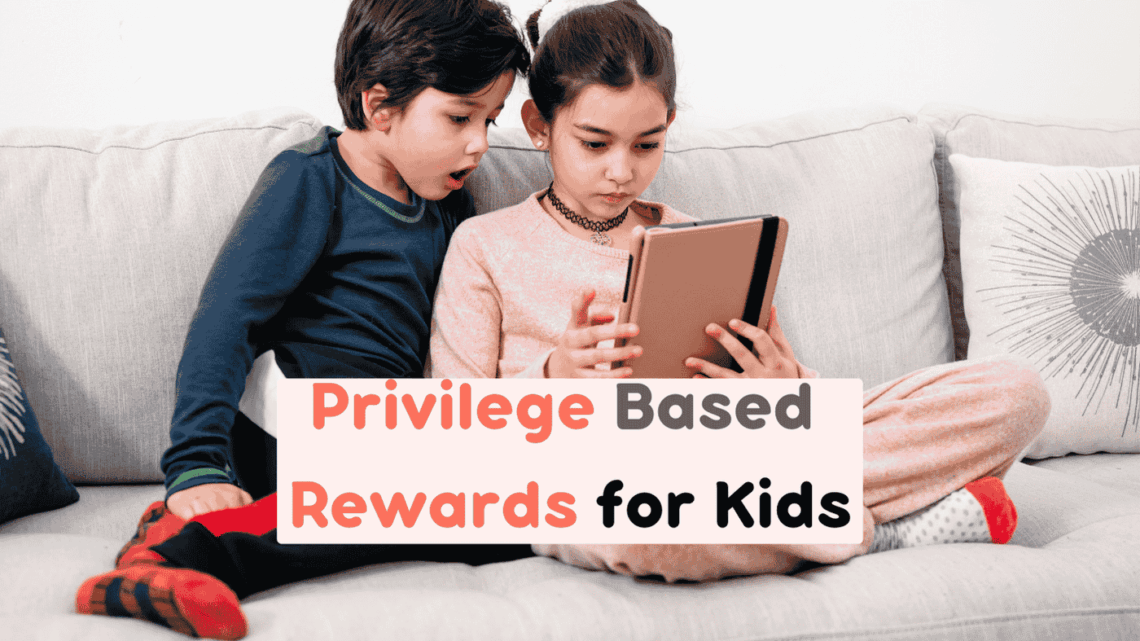
Privilege based rewards give children special freedoms or choices they do not receive every day, and a chore app like Kikaroo makes it easy for families to track progress so kids clearly understand when they have earned these privileges.
Unlike physical rewards or treats, privileges focus on responsibility, trust and maturity. When children earn privileges through steady effort, they learn that good habits lead to new freedoms, and that these freedoms come with responsibility.
Privilege based rewards are powerful because they match a child’s growing need for independence. Kids love having choices, having influence over the day and enjoying opportunities usually reserved for older siblings or adults. These privileges do not cost money, yet they feel exciting and important.
In the middle of many families’ reward routines, Kikaroo helps children see exactly how close they are to unlocking their next privilege, which keeps motivation high and makes the system clear and fair for everyone.
Below are some of the most effective privilege based rewards and why they help children grow in confidence, responsibility and independence.
Choosing What to Watch
Letting the child choose the family movie or a short show is a strong privilege reward. It makes the child feel listened to and respected. Kids enjoy being the one who decides what everyone watches. This reward also strengthens communication and helps children learn how to make choices that others will enjoy too.
Choosing a Family Activity
Being the one who selects the evening activity feels powerful and exciting. Whether the child picks a board game, a walk, a dance session or a craft hour, the privilege teaches decision making and leadership. Children feel proud when their choice becomes the plan for the whole family.
Staying Up a Little Later
Staying up ten to fifteen minutes later than usual is a classic privilege reward. It makes kids feel older and more independent. This reward works especially well when bedtime routines are already steady. It encourages kids to complete their chores without arguments because the reward feels meaningful and grown up.
Picking What to Eat for One Meal
Letting the child choose a meal creates a feeling of control and celebration. The privilege might be picking breakfast on Saturday or choosing dinner once a week. This reward teaches kids to think about what they enjoy and what the family can make together. It also makes mealtime fun and cooperative.
Having Extra Recreational Screen Time
Extra screen time works very well as long as limits stay clear. Kids see this privilege as valuable, and it encourages them to stay consistent with their chores. Because screen time is already structured in most homes, any additional minutes feel like a big win.
Sitting in a Special Spot
Children enjoy choosing where to sit at dinner, in the living room or in the car. A front seat spot (if the child is old enough), a favorite chair or a “special seat of the day” can feel like a big privilege. This reward is simple but powerful because it gives kids a sense of status and importance.
Having a Friend Over
Earning time with a friend is a meaningful privilege that builds social confidence. This reward teaches kids that consistent responsibility leads to enjoyable social experiences. It also encourages children to take pride in their space, knowing a friend will visit.
Playing Outside Longer
Extended playtime outdoors is a great privilege reward, especially for active children. It helps them burn energy, explore nature and enjoy their freedom. Kids learn that effort inside the home leads to more fun outside of it.
Getting First Choice in Games or Activities
Kids love being the one who picks the game first, chooses their team or selects the first turn. This privilege works well in families with multiple children because it reduces competition and gives each child a special moment when they earn it.
Using a Special Item
This privilege might mean using a parent’s comfortable blanket, having a special cup during dinner, or borrowing a favorite item for the evening. These small privileges feel personal and exciting because they are linked to something normally out of reach.
Earning a Parent Child Date
A short one on one outing with a parent is one of the most meaningful privilege based rewards. It does not need to be long or expensive. Even a short walk, a smoothie or a visit to a cafe feels important. Kids value special attention far more than objects, and this privilege builds emotional closeness.
Why Privilege Based Rewards Work
Privilege based rewards teach responsibility in a natural way.
Kids learn that:
their behavior shapes the freedom they receive
trust must be earned and protected
privileges are meaningful and should be respected
freedom grows with responsibility
These rewards also help children develop self control, patience and motivation. They learn that consistency matters and that the reward arrives after steady effort, not instant gratification.
Privilege based rewards are especially helpful for older kids who respond less to toys or small treats and more to meaningful independence.
Conclusion
Privilege based rewards help children learn responsibility while enjoying new freedoms, and with clear tracking through a chore app like Kikaroo, kids understand exactly how their effort leads to the privileges they care about most.
Whether it is staying up later, choosing a family activity or enjoying extra outdoor time, privilege based rewards make chore routines more meaningful and teach kids that independence grows through steady effort. These rewards strengthen confidence, build trust and turn responsibility into something children feel proud to earn.