

 Home
Home Features
 Testimonials
 Downloads
 FAQ
FAQ Blog
Blog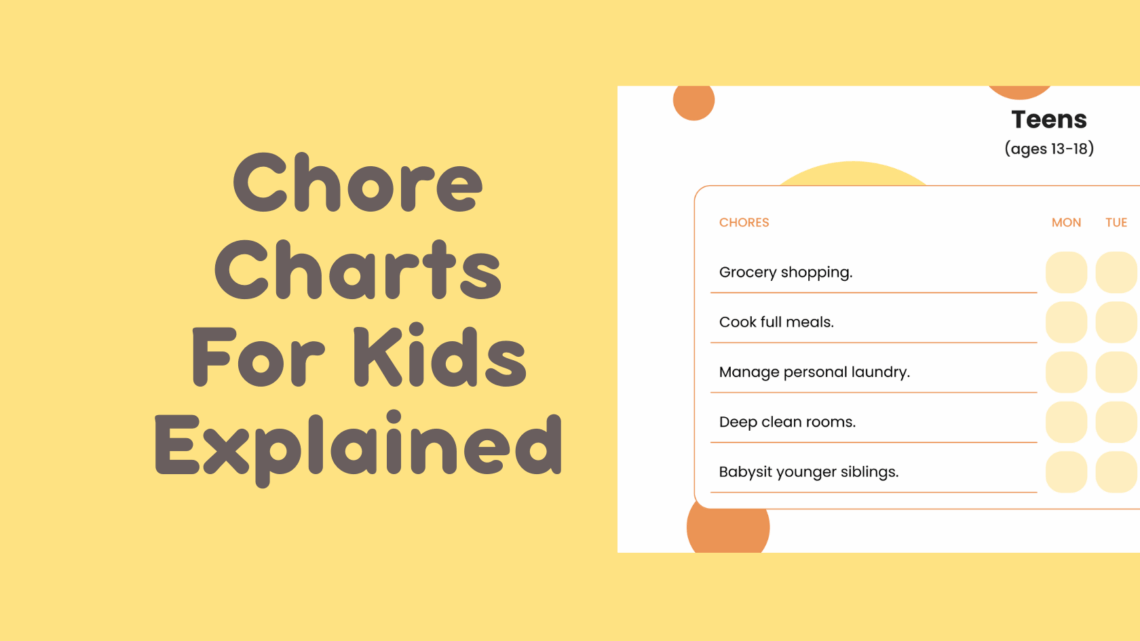
Chore charts are one of the most helpful tools parents use to build habits, teach responsibility and bring structure into the home.
Children understand tasks better when they can see them clearly instead of guessing what comes next. A visual chart gives them direction and a sense of progress.
Many families still love paper charts on the wall, while others use digital tools such as Kikaroo to make chores easier to track. Both options work, and the best choice depends on what feels natural in your home.
This guide explains what chore charts are, how families use them and how to choose the right style for your child. From simple printable charts to weekly schedules and age based lists, every parent can find a system that helps their child grow with confidence.
What are Chore Charts
A chore chart is a simple visual tool that shows children what tasks they need to complete each day or each week. It can be a piece of paper on the fridge, a printable worksheet, a board in the hallway or a digital version inside an app.
Chore charts help children stay organized because they turn routines into clear steps. Instead of hearing a long list of instructions, kids see their tasks written out in a way they can follow. This reduces confusion and helps the child take responsibility for their own actions.
Charts work especially well for younger children who benefit from pictures, symbols or simple words. Older children can use written lists or more detailed charts.
Chore charts make expectations clear. Children know what needs to be done and when. Parents reduce the number of reminders and create a calmer home environment. The chart becomes part of the daily rhythm, just like brushing teeth or getting ready for school.
Printable Chore Chart for Kids
Printable chore charts are one of the easiest ways to start building routines. They work for every age group and can be placed anywhere in the home. A printed chart becomes a visual reminder that stays in sight all day.
Parents often print charts with colorful designs, simple icons and friendly characters to keep kids interested. Some charts include checkboxes, stars or lines where kids can draw a mark when they complete a task. This physical action of marking progress feels exciting for children.
Young kids might use a simple chart with pictures showing chores like brushing teeth, picking up toys or making the bed. Older kids can use printed lists for kitchen chores, school prep, organizing their bedroom or managing small weekly tasks.
Printable charts are flexible. Parents can replace the chart each week, add new tasks or customize the layout whenever needed. This makes them perfect for homes that want structure without using screens too often.
The printout helps younger children understand routines, while the chore app helps track progress and keep everything organized.
Chore Chart Templates (PDF / Printable / Editable)
Chore chart templates save parents time and effort. Instead of designing a chart from scratch, they can download a ready made template and fill it in. These templates come in many formats, including PDF charts, printable worksheets and editable digital versions.
PDF charts are great for parents who want something clean and ready to print. They keep the same layout every time and are easy to replace each week.
Printable templates allow parents to write tasks directly on the page. They can change chores whenever they want without redoing the entire chart.
Editable templates give families even more flexibility. These can be opened on a computer or tablet and customized before printing. Parents can change colors, add icons or adjust the tasks based on the child’s routine.
Templates can include daily, weekly and monthly sections. Some families use templates for morning routines, bedtime routines or weekend responsibilities. Others prefer detailed templates for each child in the home.
The child sees the tasks on the chart and checks them off in the app, which makes the routine smoother and more organized.
Chore Charts for Kids by Age
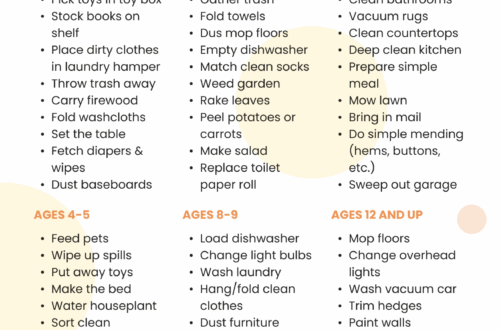
Chore charts work best when they match the child’s age and ability. Younger children need simple tasks that they can understand and complete safely. Older children can handle more responsibility and more complex chores.
Toddlers can follow picture based charts that show simple actions such as picking up toys, placing books on a shelf or putting dirty clothes in a basket.
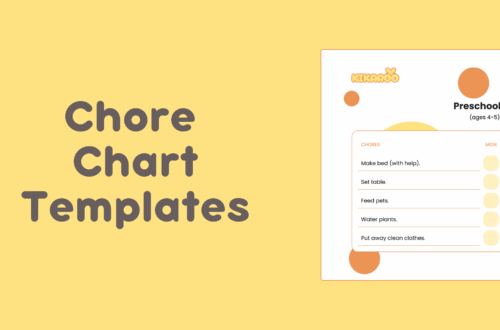
Preschool children can use charts that include making their bed, brushing teeth, feeding a pet or helping set the table.
School age children are ready for more structure. Their charts may include homework time, cleaning their bedroom, preparing clothes for the next day, unloading the dishwasher or helping with outdoor tasks.
Teenagers can use charts to manage their room, help with laundry, prepare simple meals and contribute to shared spaces.
Age based chore charts teach children independence at the right pace. When tasks match their abilities, kids feel proud and motivated to keep going.
Weekly Chore Chart for Kids
A weekly chore chart is a great way to show children what they need to do throughout the entire week. Instead of repeating instructions every day, parents write tasks once and follow the chart.
Weekly charts usually have rows for each child and columns for each day of the week. Kids can see how their tasks change from day to day and what to expect tomorrow. This helps them develop planning skills and understand time better.
Younger children can have simple weekly tasks, such as clean toys on Monday, help in the kitchen on Wednesday and water plants on Friday. Older children can manage a routine that includes homework review, room cleaning, shared chores and weekend responsibilities.
Weekly charts also help parents divide chores fairly. Each child gets a balanced set of tasks spread across the week. This reduces arguments about who does more or less.
Apps such as Kikaroo help parents track weekly progress without having to rewrite charts. Kids check off tasks as they complete them, which keeps the weekly routine clear and easy to follow.
Weekly chore charts give children structure and teach them how to organize their time. Over weeks and months, these habits become natural and create a smoother home life.
Chore Chart for Kindergartners
Kindergartners are at a perfect age to begin simple routines. They enjoy being helpers and feel proud when they complete tasks. A chore chart made specifically for this age group should be colorful, friendly and easy to understand.
Charts for kindergartners often use pictures instead of long text. A toothbrush for brushing teeth, a bed icon for making the bed, a shirt for getting dressed and a toy box for cleaning up. These pictures help children follow the chart without needing to read everything.
Chores for kindergartners should be short and manageable. Some examples include:
- placing shoes in the right spot
- putting dirty clothes in the basket
- helping set the table
- watering a small plant
- organizing toys
- wiping the table with a soft cloth
Kindergartners respond well to positive feedback. Parents can use stickers, stars or points to celebrate progress. Kikaroo also helps by giving children a way to mark completed tasks through a simple checklist that feels encouraging.
Charts make kindergartners feel included in family life. They learn that they have an important role and that their actions make a difference. This builds confidence and prepares them for more responsibility as they grow.
Chore charts give children a clear, simple way to understand their daily routines and build strong habits. Whether families use printable charts, editable templates or digital chore apps like Kikaroo, the goal is the same: help kids learn responsibility in a positive and encouraging way. When tasks match the child’s age and the chart stays consistent, children feel confident, organized and proud of the role they play in the home.