

 Home
Home Features
 Testimonials
 Downloads
 FAQ
FAQ Blog
Blog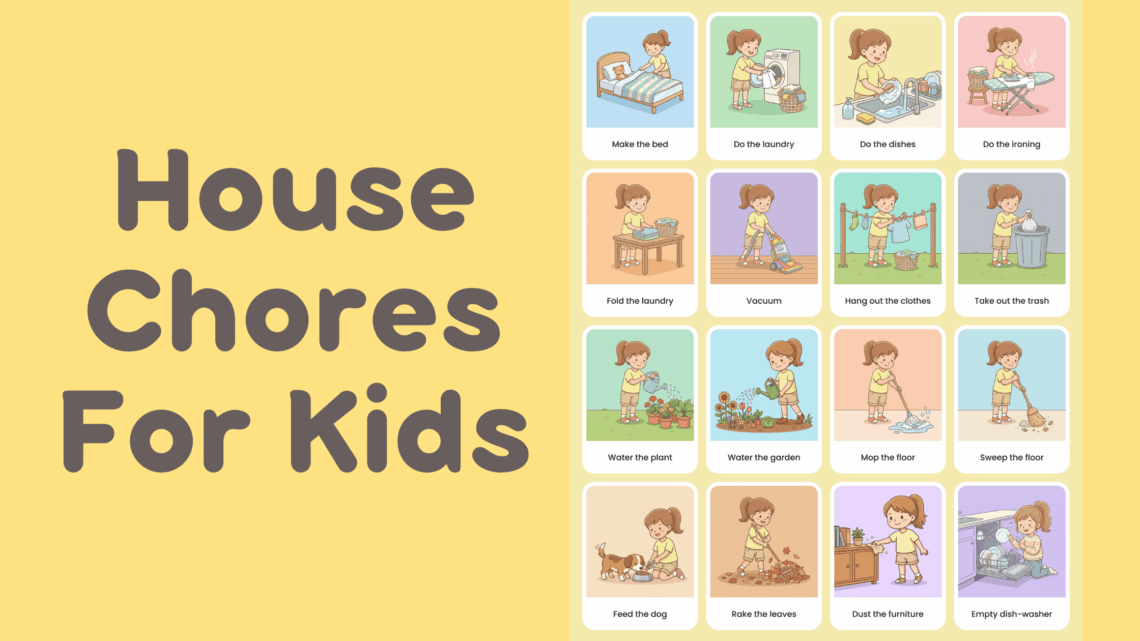
Chores help children learn responsibility, confidence and the feeling of being part of family life. When kids help around the home, they learn skills they will use for the rest of their lives.
Parents often start with small tasks and slowly add more as children grow. A steady routine makes chores easier and gives children a sense of pride. Family chore apps such as Kikaroo help families organize tasks so kids know exactly what to do without constant reminders.
Every home is different, but some chores work well for kids of all ages. Below are the best tasks for each part of the house, with ideas that fit younger children, older children and families who want simple routines.
In this article we will go over some of the most important, easy and everyday chores kids can do around the house.
Best House Chores For Kids:
Kitchen Chores For Kids
The kitchen is one of the busiest places in every home. It is also a great place for children to learn responsibility because there are many small tasks that do not take long.
Younger children can start with simple jobs such as wiping the table with a damp cloth, helping sort clean plastic dishes, bringing napkins to the table or placing forks and spoons for meals.
These tasks build coordination and help children feel included.
Older children can help wash vegetables, stir ingredients, load the dishwasher, empty the dishwasher, sweep under the table or help pack snacks for school.
Teenagers can handle larger tasks such as preparing a simple meal, washing pots and pans or helping plan the grocery list.
Parents often use apps such as Kikaroo to keep kitchen tasks organized. Kids can check off each step and see their progress. This removes daily reminders and turns the kitchen routine into something steady and predictable.
The most important part is consistency. When children help in the kitchen every day, even in small ways, they learn teamwork and understand how much effort goes into family meals.
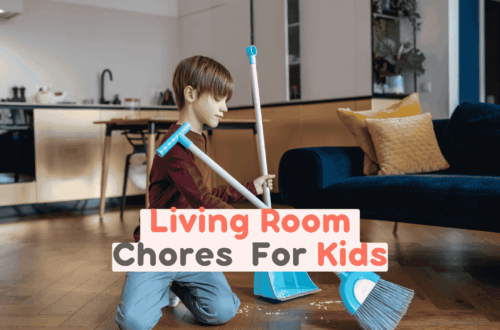
Living Room Chores For Kids
The living room is a shared space where everyone spends time together. Keeping it tidy teaches children respect for common areas and helps them understand that small daily habits make a big difference.
Younger children can help by picking up toys, returning pillows to the couch, placing books back on the shelf or gathering items that belong in their room.
These tasks are simple and teach them how to maintain order.
Older children can vacuum the carpet, dust shelves, organize the TV area, fold blankets, clean remote controls or water indoor plants.
These tasks help develop good habits and attention to detail.
Parents with multiple children often divide living room chores into small pieces so everyone contributes.
One child may handle dusting while another gathers toys. One may vacuum while another folds blankets.
A tidy living room teaches children that when everyone helps a little, the entire home feels calmer and more comfortable.
Bedroom Chores For Kids
A child’s bedroom is the first place they learn how to take care of their own space. Small daily tasks make a big difference and teach independence early.
Young children can start with making their bed, even if the bed does not look perfect. They can also put their clothes in the laundry basket, return stuffed animals to the bed, place books on a shelf or close drawers that are open.
Older children can change their bed sheets, organize their school supplies, clean under the bed, sort clothing, vacuum their room or wipe down their desk.
Teenagers can fully maintain their own room, from laundry sorting to decluttering. Having a clean and organized room gives them a sense of responsibility and personal pride.
Many parents find that children do better with bedroom chores when tasks are clearly written out.
Teaching children how to care for their own space is one of the most important steps in preparing them for adult life.
Bathroom Chores For Kids
Bathroom chores teach children hygiene, cleanliness and respect for shared spaces. These tasks help kids learn that a clean bathroom benefits everyone.
Younger children can wipe the bathroom counter with a safe cloth, return towels to the hook, put toys back into the bath basket and help refill toilet paper.
Older children can clean the mirror, wipe the sink, sweep the floor, replace towels and make sure the bathroom stays tidy after each use.
Teenagers can take on larger responsibilities such as scrubbing the sink, wiping surfaces, cleaning the tub or using gentle cleaners with supervision.
Bathroom chores are often overlooked, but they teach important skills. Kids learn not to leave mess behind and to think about the comfort of others who use the space.
Outdoor and Yard Chores For Kids
Outdoor chores are excellent for children because they involve movement, fresh air and a natural sense of accomplishment. They also help children learn about nature and caring for outdoor spaces.
Young children can water plants with a small watering can, help gather sticks, place outdoor toys in a bin or sweep the porch with a small broom.
Older children can help rake leaves, pull weeds, gather garden tools, help wash the car, feed outdoor pets or help plant flowers and vegetables.
Teenagers can mow the lawn, trim simple bushes, carry light bags of soil or help keep the yard organized.
Outdoor tasks develop physical strength, patience and responsibility. They also help children understand how different seasons affect family chores.
Should Kids Get Paid for Chores
Many parents wonder whether children should receive money for chores. There is no universal rule. Every family chooses what works best for their values.
Some parents believe chores should not be paid because they are part of family life. Children learn teamwork, responsibility and cooperation without expecting money. This builds a strong foundation for personal pride and long term habits.
Other parents choose to connect certain chores with allowance. They believe this teaches kids how money works, how to save for something they want and how to understand the value of effort. Allowance can help older children learn budgeting and basic financial skills.
A balanced approach is to separate daily family chores from extra optional chores. The daily tasks remain unpaid, while larger or special tasks can earn a small amount.
Chore Apps like Kikaroo work well in both systems. Parents can use points instead of money or allow children to exchange points for small rewards. This gives families flexibility without turning every task into a financial discussion.
The goal is not the money itself but the lesson behind it. Whether paid or unpaid, chores help children grow confident and responsible.
To make this process easier and more engaging, consider using a dedicated tool like the Kikaroo chore app for kids, which is designed to help families manage chores, set routines, and celebrate successes together, all in one simple app.