

 Home
Home Features
 Testimonials
 Downloads
 FAQ
FAQ Blog
Blog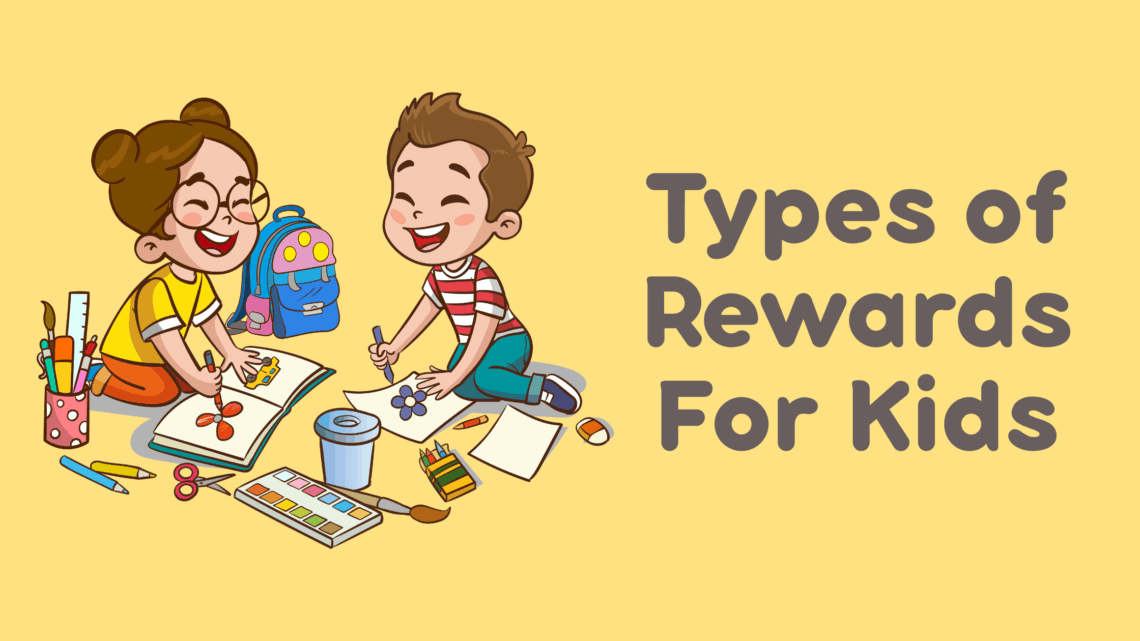
Building positive habits and encouraging good behavior in children is a cornerstone of parenting. Apps like Kikaroo, a modern family chore app, help parents structure these habits in small, manageable steps.
While intrinsic motivation is the ultimate goal, strategic rewards can provide the external encouragement needed to get there. A well designed reward system for kids, whether offline or inside a family app, gives children clear feedback and keeps them motivated.
The key is moving beyond a one size fits all approach and finding what truly resonates with your child.
In this guide, we’ll explore five distinct reward categories to help you do just that. We’ll cover everything from the classic appeal of Physical Rewards to the lasting value of Experiential Rewards, the power of Privilege Based Rewards, the modern appeal of Points Based or Digital Rewards, and the personalized touch of Creative Rewards.
Best Physical Rewards for Kids
Physical rewards are the classic, tangible items you can give your child that they can hold, play with, or use. Think of things like a small new toy, a book they’ve been wanting, a cool set of stickers, or their favorite candy.
These work really well because they provide an immediate and clear “thank you” for their effort. For younger kids, this direct connection between their good behavior and getting a fun object is easy to understand.
It doesn’t have to be expensive, sometimes a trip to the dollar store to pick out one special thing is just as exciting as a bigger gift. The key is to make sure these rewards are small and manageable, so they feel special without spoiling your child or breaking the bank.
They are a simple and effective way to show your child you noticed they did a great job.
Experiential Rewards
Experiential rewards are all about creating happy memories together instead of giving a physical object. This means rewarding your child with a fun activity or a special experience.
Think of things like a trip to the park, a movie night with popcorn, going out for ice cream, building a fort in the living room, or having a one on one “date” with a parent.
These rewards are powerful because they strengthen your bond and create stories you’ll both remember long after a small toy might be forgotten.
They teach your child that joy and connection are valuable prizes. An experiential reward turns an achievement into a celebration that you share, making your child feel loved and appreciated in a very personal way.
Privilege Based Rewards
Privilege based rewards are when you give your child a special right or permission they don’t normally have as their prize.
This works especially well for older kids who want more independence. Examples include getting to stay up 30 minutes past their bedtime, having extra screen time on the weekend, choosing what the family has for dinner, or getting out of one chore for the week.
These rewards feel really grown up and powerful to a child because it shows them you trust them with more responsibility. It’s a way of saying, “You’ve been so responsible, you’ve earned a bit more freedom.”
This type of reward is great because it doesn’t cost any money and it can be tailored exactly to what your child values most.
Points based or digital rewards
Points based or digital rewards are a modern system that works like a game. Instead of getting a prize right away, your child earns points, tokens, or stars for their good behavior.
They can then save up these points to “buy” a bigger reward from a menu you create together. This can be done with a simple chart on the fridge or by using a kid friendly chore app like Kikaroo.
This method is fantastic because it teaches children about delayed gratification and goal setting important life skills!
They learn that small efforts add up to a big payoff. It also gives them a sense of control, as they get to decide what they want to save up for, which makes the reward even more motivating for them.
Creative rewards
Creative rewards are all about thinking outside the box and offering something unique and personal that your child wouldn’t usually get to do. These are often silly, fun, and break the normal routine. Ideas include getting a “Yes Day” where they get to say yes to a lot of their small requests, having a food fight with pancakes (in the bathtub for easy clean-up!), getting to paint a wall in the garage with washable paint, or having you be their “servant” for an hour.
These rewards are incredibly memorable and show your child that you are willing to be playful and spontaneous with them.
They reinforce that good behavior leads to extra fun and laughter, strengthening your relationship and creating inside jokes and stories you will talk about for years.
To make this process easier and more engaging, consider using a dedicated tool like the Kikaroo chore app for kids, which is designed to help families manage chores, set routines, and celebrate successes together, all in one simple app.