

 Home
Home Features
 Testimonials
 Downloads
 FAQ
FAQ Blog
Blog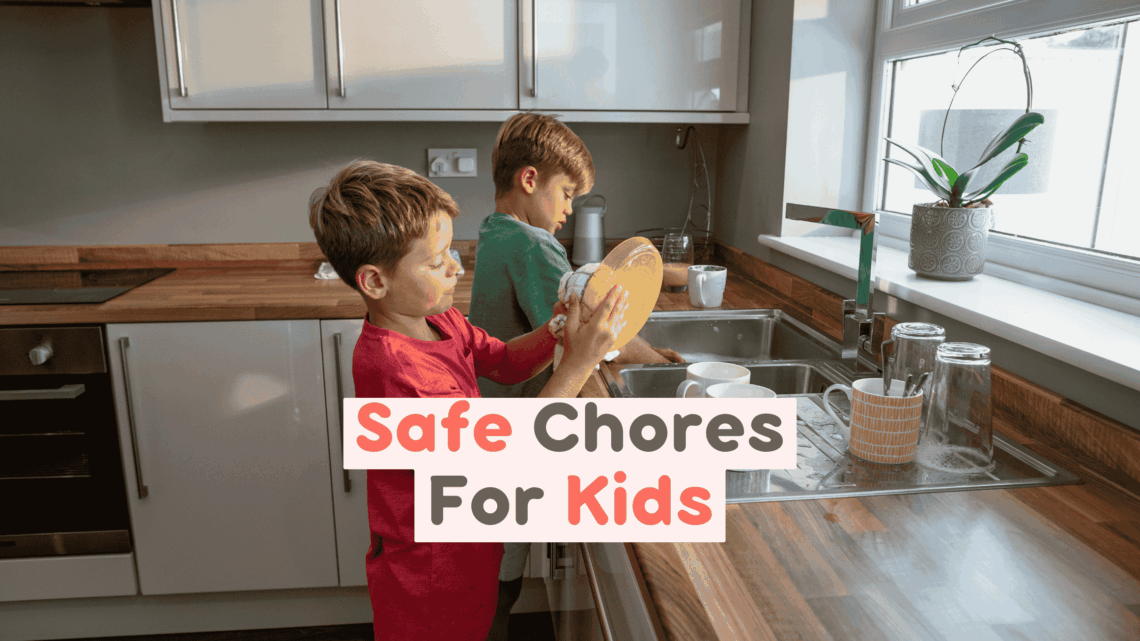
Safe and appropriate chores for kids help children learn responsibility without putting them in situations they cannot handle. The goal is to offer chores that match a child’s age, maturity and physical abilities.
When kids practice the right chores at the right time, they build confidence and understand how much their help matters at home. Safe chores also teach children how to follow steps, stay aware of their surroundings and complete work with care.
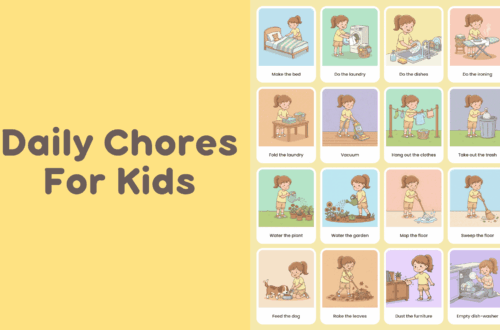
Parents often use routines such as Daily Chores for Kids to keep things simple and predictable. As children grow older, they can take on new chores slowly while keeping safety as the first priority.
Below are examples of safe and age appropriate chores that support growth, confidence and independence.
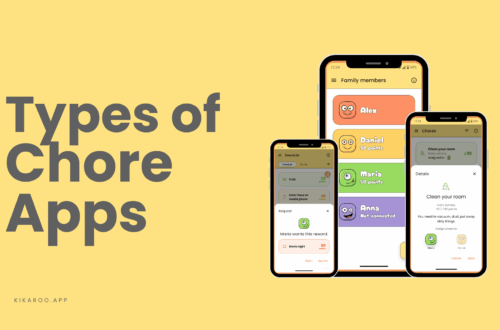
A chore app like Kikaroo helps families set clear routines so kids always know which chores are safe and appropriate for their age.
Putting Toys Away
Putting toys away is one of the safest chores children can learn. It teaches them how to organize their space, care for their belongings and return items to the right place. This chore is gentle, predictable and perfect for introducing responsibility. Children also learn to recognize what does not belong in their path, which improves safety inside the home.
Folding Small Laundry Items
Folding laundry is a calm and simple chore that requires no heavy lifting or sharp objects. Kids can fold towels, match socks and place small clothing in drawers. This chore builds fine motor skills and teaches children how clothes need care to stay clean and tidy. It also fits nicely into Skill Building Chores for Kids, since it helps with coordination and attention to detail.
Helping Set the Table
Setting the table is safe for most children because it involves lightweight items such as napkins, cups and plastic utensils. Kids learn how to arrange items in order, plan for mealtime and take part in important family routines. It teaches care, teamwork and preparation while staying safely within their abilities.
Watering Indoor Plants
Watering plants is a safe chore that teaches children responsibility for living things. Using a small watering can, kids learn patience, gentleness and how to follow small routines. This chore encourages attention to detail without exposing children to chemicals or unsafe equipment. It can be part of a weekly routine like Weekly Chores for Kids.
Organizing Books and School Supplies
Sorting books, straightening shelves and arranging school supplies are excellent safe chores for children of many ages. These chores teach planning, problem solving and responsibility. Since there is no danger involved, the child can work independently while building long term habits that support focus and success in school.
Washing Plastic Dishes or Cups
Washing lightweight plastic dishes under supervision is a safe introduction to kitchen chores. Kids can rinse items, learn about warm water and soap and understand how much effort goes into keeping dishes clean. This chore is a gentle first step before children learn more advanced kitchen work later in life.
Sweeping Small Areas
Sweeping crumbs with a small broom is a safe indoor chore that helps children understand how to care for shared spaces. It teaches arm coordination, movement planning and awareness of surroundings. Children can sweep small areas such as under the table or around the entryway while being supervised.
Feeding Pets With Guidance
Feeding pets is safe when a parent gives clear instructions and watches the child during the chore. Children learn empathy, consistency and responsibility. Whether it is pouring dry food for a pet or refilling a water bowl, this chore teaches kids how living things depend on them. It is also a powerful part of building confidence.
Cleaning the Car Interior
Cleaning the inside of the car is a safe and engaging chore. Children can collect trash, wipe seats or organize loose items. This chore helps children understand that care extends beyond the house. They learn to work with their hands, stay aware inside a small space and feel proud of their role in improving something the whole family uses.
Helping With Light Outdoor Chores
Some outdoor chores are safe and appropriate for children, such as watering flowers, sweeping the porch or gathering small sticks. These chores help children enjoy fresh air and develop gross motor skills. With supervision, outdoor chores become a healthy balance between responsibility and physical activity.
Light Organizing in the Bedroom
Organizing personal items such as books, blankets, toys and clothing is a very safe chore. Children learn how to take care of their space and how to maintain order. It also prepares them to handle more complex responsibilities as they grow older. This kind of organizing fits into longer routines like Monthly Chores for Kids.
Working Together on Simple Team Chores
Some chores are especially safe when done together. Cleaning the living room, organizing the playroom or picking up the yard can be gentle team experiences. These group chores fit perfectly with Team Chores for Kids That Teach Cooperation, because children learn to share responsibility while supporting one another. Safety improves when kids work as a group under a parent’s guidance.
Conclusion
Safe appropriate chores help children grow in independence without exposing them to danger or overwhelming responsibilities.
By choosing gentle chores such as folding laundry, watering plants, sweeping small areas and organizing toys, parents give kids opportunities to learn discipline, care and teamwork in a secure way.
With the support of a chore app such as Kikaroo, parents can guide children through safe daily routines that build confidence and long term responsibility.