

 Home
Home Features
 Testimonials
 Downloads
 FAQ
FAQ Blog
Blog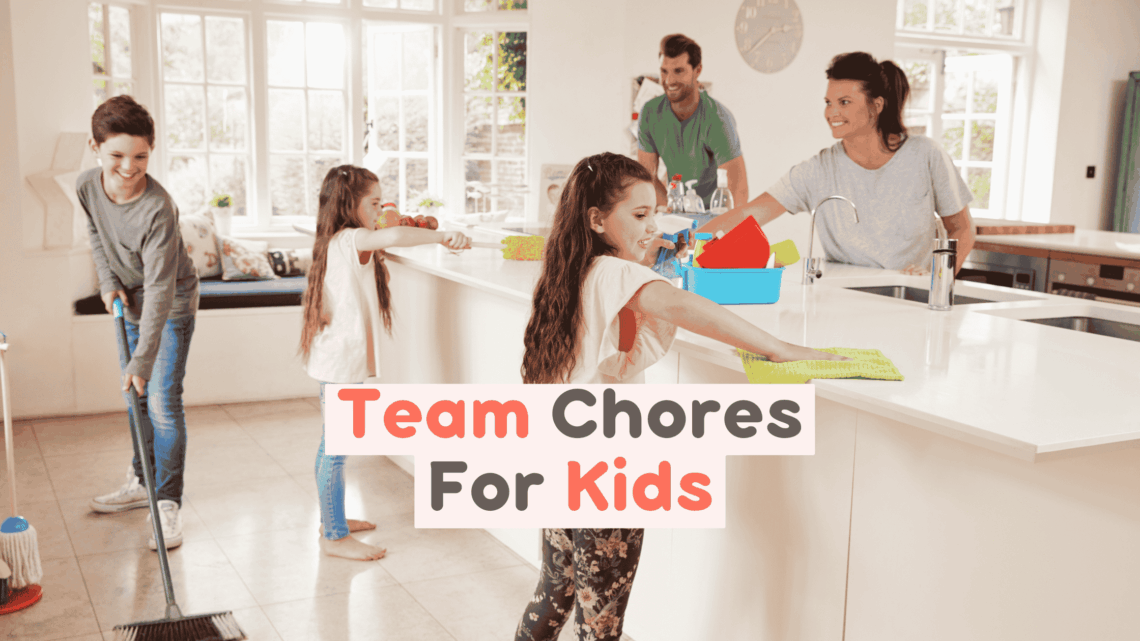
Team chores help children understand that working together creates better results than working alone. When kids complete chores as a team, they learn cooperation, communication and patience.
These skills become important not only at home but also in school, sports and friendships. Team chores reduce arguments, build trust and help siblings understand each other’s strengths.
Many families use simple charts or chore app for kids such as Kikaroo to organize team chores so every child knows their role and can enjoy the feeling of shared success.
Team chores are more than chores. They are small experiences that teach children how to listen, take turns, offer help and feel proud as a group. Below are some of the best team chores for kids and how each one helps them grow in cooperation and teamwork.
Cleaning the Living Room as a Team
Cleaning the living room together is one of the easiest and most effective team chores. One child can collect toys, another can fold blankets and another can wipe surfaces. As children divide the chore into parts, they learn how cooperation makes a large chore feel simple. They also learn to communicate and check with one another so they do not overlap or miss areas. When the whole room becomes clean, kids feel the joy of shared accomplishment.
Preparing a Meal as a Team
Preparing a simple meal together builds communication, patience and coordination. One child can wash vegetables, another can help mix ingredients and another can set the table. Children learn to follow steps and wait their turn. They also discover that preparing food as a team takes planning and attention. This chore teaches cooperation in a natural and enjoyable way. The positive energy of working in the kitchen together often becomes a lasting family memory.
Cleaning the Car Interior Together
Cleaning the car as a team helps children work in a shared space while coordinating movements. One child can collect trash, another can wipe seats and another can help shake floor mats. Each child has a clear role, but they all need to communicate to move around the small space without bumping into each other. This teaches awareness, patience and teamwork. The difference before and after the chore also gives them strong visual satisfaction.
Sorting Laundry as a Group
Sorting laundry teaches kids to work together with a shared goal. Children can divide the chore into matching socks, folding towels or sorting clothes by type. This team chore helps children practice categorizing, communicating and planning. It also teaches them how much easier a chore becomes when everyone contributes. Kids often enjoy the puzzle like part of this chore, especially when matching socks as a team.
Organizing the Playroom or Toy Area Together
A playroom can get messy quickly, which makes it perfect for a team chore. Kids can divide the room into zones or types of items. One child organizes books, another sorts art supplies and another puts away board games. Cooperation is essential because each child needs to understand how their part fits into the whole space. This chore teaches teamwork, patience and problem solving as they decide where items belong. Doing it together also prevents arguments about who made the mess.
Helping Clean the Yard as a Team
Outdoor chores are great for teaching teamwork because they involve physical movement and clear shared goals. Kids can collect sticks, rake leaves, sweep the porch or help water plants. Because these chores often cover a large area, kids learn how to coordinate their work and support each other. Yard chores also teach children the value of caring for nature and shared outdoor spaces.
Packing for a Family Trip Together
Packing for a trip teaches planning, organization and communication. Kids can divide the chore: one gathers snacks, another prepares entertainment items and another helps check that essential items are packed. This team chore encourages children to talk through what the family needs, make decisions and check each other’s work. It also helps them understand the importance of preparation and shared responsibility.
Cleaning the Dining Area Together
After meals, kids can work together to clear the dining area. One child can collect plates, another can wipe the table and another can sweep crumbs. This team chore teaches children how cooperation turns a large cleanup into a quick and simple routine. It also helps them understand that shared spaces require shared effort. Cleaning the dining area as a team teaches gratitude and respect for the work everyone does.
Why Team Chores Build Cooperation Skills
Team chores support cooperation because they require children to:
- communicate clearly
- listen to one another
- divide work fairly
- respect each other’s role
- solve small problems
- support teammates
- take turns
- stay patient and organized
When kids practice these skills in everyday life, their relationships become stronger. They learn to rely on each other and feel comfortable asking for help or offering help. Team chores also reduce competition between siblings because each child has an important part of the whole.
Parents benefit too. Team chores create a shared routine instead of parents managing every detail alone. Kids feel more involved and families enjoy more peaceful, productive moments together.
Conclusion
Team chores help children grow into thoughtful, cooperative and supportive individuals. Whether kids are preparing a meal together, cleaning the living room, sorting laundry or working outside, they learn valuable social skills through shared effort.
With steady guidance and helpful chore apps such as Kikaroo to organize team routines, children discover how cooperation strengthens family bonds and makes every chore easier. Team chores become more than chores. They become lessons in teamwork that last a lifetime.