

 Home
Home Features
 Testimonials
 Downloads
 FAQ
FAQ What is Kikaroo?
 Blog
Blog Chore charts
Toddlers are not too young for chores. Children as young as 2 can begin helping with simple, safe tasks, and the earlier they start, the more naturally responsibility becomes part of their routine. The goal at this age is not a spotless house. It is building the habit of contributing and the confidence that comes from completing a real task.
The 15 chores below are safe and achievable for most 2 and 3 year olds. Start with one or two and add more as each becomes part of their daily routine.
What 2 and 3 Year Olds Can Actually Do
At this age, toddlers are naturally eager to copy adults and be involved. That instinct is the foundation of every chore habit. They can:
- Follow a single-step instruction (“put that in the bin”)
- Carry light objects short distances
- Do simple sorting tasks, toys into a box, clothes into a basket
- Wipe flat surfaces with a cloth
- Water plants with a small watering can
They cannot sustain focus for more than 2-3 minutes, so every chore should be short, immediate, and visible in its result. “Look what you did” is the most powerful motivator at this age.
15 Chores for Toddlers (Ages 2-3)
Self-Care and Tidying
- Put toys in a basket or box – assign one basket per type of toy so the task is clear and repeatable every time.
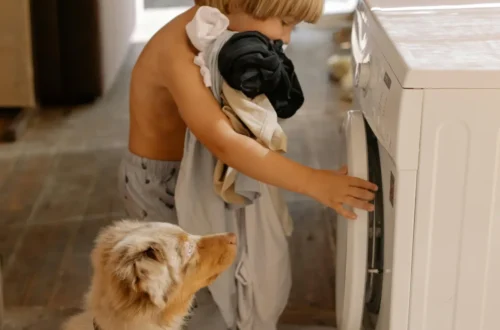
- Put dirty clothes in the laundry basket – one of the first habits that reduces morning chaos for the whole family.
- Put shoes in their spot – give them a defined low shelf or hook so they know exactly where shoes belong.
- Put books back on the shelf – works best immediately after reading time so there is a natural trigger.
- Place pyjamas under the pillow – a simple bedtime chore that begins the habit of looking after their own space.
Around the Home
- Wipe up small spills – hand them a cloth and show them the wiping motion. Expect enthusiasm, not thoroughness.
- Throw small items in the bin – wrapping paper, used tissues, small scraps. Builds the idea that messes get cleaned up.
- Carry light items to another room – a remote control, a book, a small parcel. Teaches helpfulness and following simple instructions.
- Put cushions back on the sofa – quick, visible and satisfying for them because they can see the result immediately.
- Hand you laundry items to fold – they pass each item to you one by one. Cooperative, calm and keeps them involved in a longer task.
Meals and Kitchen
- Carry napkins or spoons to the table – a real contribution to meal preparation, they can do before every dinner.
- Carry their plate or cup to the sink – with supervision for anything breakable. By age 3, most toddlers manage this consistently.
- Help rinse fruit or vegetables – hold their hands under running water and let them rub the surface. They love the water and the responsibility.
Garden and Pet Care
- Water a plant with a small watering can – assign one specific plant as “theirs.” The ownership element keeps them coming back to it.
- Help fill a pet’s water bowl – with your hands over theirs to control the pour. Teaches care for another living thing from a very young age.
How to Make Toddler Chores Actually Work
The approach matters more than the chore itself at this age. A few principles that make the difference:
- Celebrate effort, not results. A toy basket that is mostly full counts. Correcting imperfect results in front of them signals that their effort doesn’t matter – which kills the habit before it forms.
- Do it together first. Show them once, do it side by side once, then let them do it alone. Hovering after that signals distrust.
- Keep it consistent. The same chore at the same time every day builds the habit faster than occasional reminders. After dinner, before bath, and after playtime are natural anchor points.
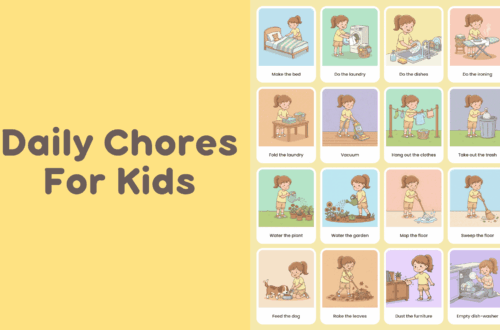
- Make it visual. A simple chart with pictures, or a sticker chart where they earn a sticker for each completed task, works particularly well at this age. The visual reward is immediate and tangible.
- Don’t redo it in front of them. If the spill is still slightly damp or the toys aren’t perfectly sorted, leave it. The habit is the outcome, not the clean surface.
A University of Minnesota study found that children who began household responsibilities early were more likely to succeed in school and adult life. Starting at 2-3 does not mean high expectations, it means building a normal, positive association with contributing to the household.
Frequently Asked Questions
Are 2 year olds too young for chores?
No. Two year olds can handle simple, single-step tasks like putting toys in a basket, carrying a napkin to the table or throwing something in the bin. The goal is not cleanliness, it is building the association between effort and contribution. Starting early means chores become a normal part of life rather than a new rule imposed at age 7 or 8.
How many chores should a toddler have?
Start with one or two. One chore done consistently every day is more valuable than five done occasionally. Once a chore is automatic, they do it without being asked, add another. Most toddlers can manage two to three regular tasks by age 3.
What if my toddler refuses to do chores?
Make it shorter or simpler. Resistance usually means the task feels too big or too disconnected from something they care about. Try turning it into a game, reduce the task to a single step, or tie it to something they enjoy immediately after. Avoid power struggles, at this age, building the habit is the only goal.
When should toddler chores get harder?
Gradually from age 4 onwards. By 4-5, children can take on more complex tasks like making their bed, setting the table and feeding a pet independently. See our guide to chores for preschoolers (ages 4-5) for what comes next, or the full chores for kids by age guide for every stage through to the teenage years.
Building the Habit Early
Chores for toddlers are not about spotless rooms or perfect results. They are about building a child who understands that everyone in the household contributes, and who has the confidence that comes from completing a real task, however small.
Start with one chore from the list above, keep it consistent for two weeks, then add another. By the time your child reaches school age, contributing to the household will feel normal rather than imposed.
For the full breakdown from toddler to teen, see our chores for kids by age guide. To track your toddler’s tasks visually, try Kikaroo. It lets you set up picture-based chore lists that young children can understand and interact with independently.