

 Home
Home Features
 Testimonials
 Downloads
 FAQ
FAQ What is Kikaroo?
 Blog
Blog Chore charts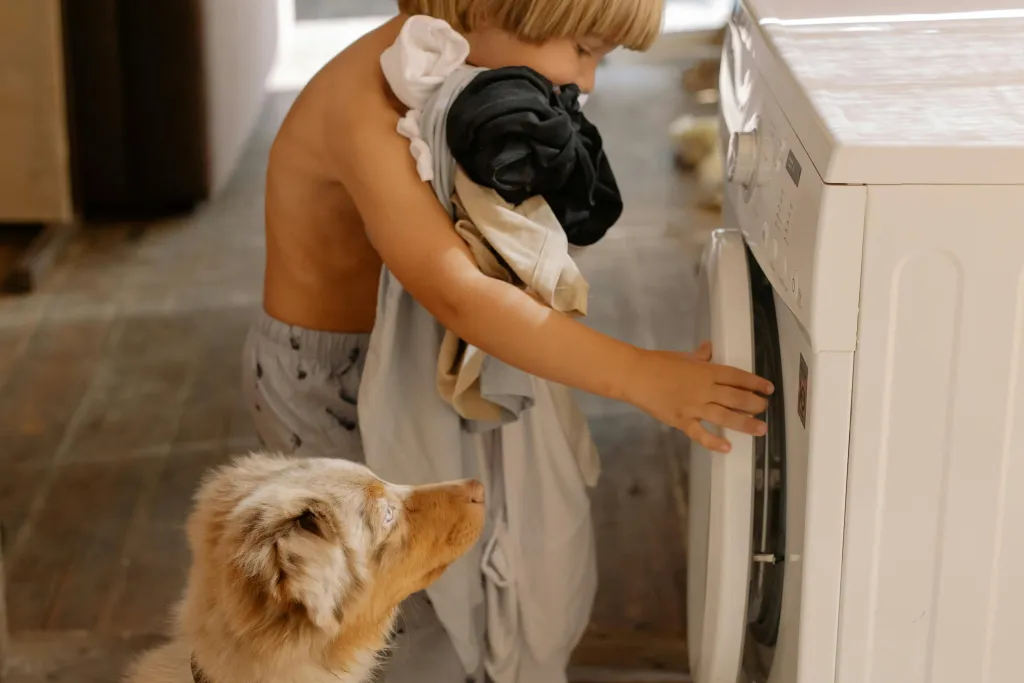
Ages 9-12 are the sweet spot for building real household skills. Preteens are capable enough for complex, multi-step tasks, cooking a basic meal, doing laundry from start to finish, managing their own space without reminders, and just motivated enough by autonomy and being treated maturely to actually do them. The window before the teenage years is the best time to establish these habits.
This guide covers 20 practical chores for preteens aged 9-12, organised by category, with tips for making them stick. For the full age-by-age picture from toddlers through teens, see the complete chores by age guide.
What Makes the Preteen Stage Different
At 9-12, children have moved past needing supervision for basic tasks. They can follow multi-step instructions, manage time reasonably well, and take ownership of a task from start to finish, not just the easy part.
What they still need: clear expectations about what “done” means, and consistency in holding them to that standard. Preteens will test whether you actually follow through. The parents who do see results; the ones who let it slide end up doing everything themselves by age 14.
At this stage, the goal shifts from habit-building to responsibility-building. The chore is practice for the independence that is coming, and they know it, which is why explaining the reason behind a task works better at this age than it did at 6.
20 Chores for Preteens (Ages 9-12)
Bedroom and Personal Space
- Keep their room tidy independently. Make the bed daily, put clothes away, clear the floor. At this age, the standard is set once and then held, no daily reminders.
- Do their own laundry from start to finish. Sort by colour, wash, dry, fold, and put away. A 9-year-old can manage the full cycle with one initial walkthrough.
- Strip and remake their own bed. Change bedding independently, weekly or fortnightly. Teach them to check the mattress and rotate the pillow too.
- Manage their own school bag and equipment. Packing the night before, tracking what is needed for the next day, replacing anything that runs out.
Cooking and Meals
- Prepare simple meals from scratch. Scrambled eggs, pasta with sauce, stir fry, toasted sandwiches, meals that require planning the steps, not just assembling ingredients.
- Pack their own school lunch. Planning what to include, checking what is in the fridge, not just assembling what has been laid out for them.
- Wash up after cooking. Not just rinsing, washing, drying, and putting away. The rule is simple: if you cook, you clean.
- Contribute to the weekly grocery list. Track what is running low in their own space and communicate it. Builds awareness of the household as a system they are part of.
Cleaning and Household
- Vacuum the main living areas. Including moving lightweight furniture, getting into corners, and emptying the vacuum when full.
- Clean the bathroom they use. Sink, toilet, mirror, floor, weekly. Show them once, set a day, and hold the standard.
- Wipe down kitchen surfaces after family meals. Hob, countertops, table. Takes five minutes and teaches them that the kitchen does not clean itself.
- Take out bins and recycling on collection days. Including sorting recycling correctly and bringing the bins back in.
Outdoors and Garden
- Mow the lawn. With a walk-behind mower and appropriate safety guidance for the first few times. By age 11-12, most can do this independently.
- Weed a section of the garden regularly. Assign them a specific bed or border rather than vague “help in the garden”, ownership of a defined area works better.
- Wash the family car. Exterior, windows, and a basic interior tidy. A practical task with a visible result they can be proud of.
- Seasonal outdoor maintenance. Sweeping up leaves, clearing pathways, basic tidying of outdoor furniture at the end of summer.
Life Skills and Family
- Help a younger sibling with homework or reading. Ten minutes of peer support, they explain, the younger child practises. Builds patience and deepens their own understanding.
- Unpack and correctly store the weekly grocery shopping. Knowing where things go, checking dates, rotating older stock to the front. Practical and immediately useful.
- Iron their own school clothes or uniforms. With a brief safety walkthrough first. By age 11, most preteens can manage this without supervision.
- Plan and help cook one family meal per week. Choosing the recipe, writing the ingredient list, doing the bulk of the cooking. Builds real kitchen competence and confidence.
If you want to build these tasks into a consistent daily routine, the age-by-age daily chore routine guide has morning and evening frameworks that work for preteens too.
How to Make Preteen Chores Work
Preteens respond differently from younger children. Sticker charts and songs don’t land. What works at this age:
- Explain the reason once. Preteens are more likely to cooperate when they understand why a task matters. “The bathroom needs cleaning weekly because bacteria builds up, you share it with the family” is more effective than “because I said so.”
- Give genuine responsibility, not supervised tasks. Assign ownership of a chore, set the standard clearly, and step back. Hovering signals you don’t trust them to do it, which removes the motivation to prove you wrong.
- Set the standard once and hold it. Show them what “done” looks like, let them do it, and check the first few times. After that, the standard stands. Accepting substandard work consistently trains them to do the minimum.
- Don’t rescue them from the consequence. If the laundry isn’t done, they wear a crumpled shirt. If they didn’t pack their bag, they deal with missing it. Natural consequences at this age are a far more effective teacher than lectures.
- Connect chores to real independence. Preteens want more freedom, later bedtimes, more time with friends, more screen time. Tying genuine household contribution to earned privileges is fair and motivating in a way that younger children’s reward charts are not. A chore chart that tracks completion gives both of you a clear, neutral reference point.
Frequently Asked Questions
What chores should a 9-year-old do?
At 9, focus on taking full ownership of their personal space (room, laundry, school bag) and adding one household chore like vacuuming or washing up. The shift from “helping” to “being responsible for” is the key change at this age. See also the chores for 10-year-olds guide for what to expect one year on.
Should preteens get paid for chores?
A split approach works well at this age. Basic household contributions, keeping their room tidy, washing up after meals, taking out bins, are expectations that come with no payment, because they are part of living together. An allowance can be linked to bigger or optional tasks like mowing the lawn, washing the car, or cooking a family meal. This teaches the difference between baseline responsibilities and discretionary effort.
What if my preteen refuses to do chores?
Refusal at this age is usually a test of whether the expectation is real or negotiable. Avoid long arguments, state what needs to be done, when it needs to be done by, and what happens if it is not (no screen time, no going out, whatever is relevant). Then follow through, once, consistently. Most resistance fades within two weeks once the preteen realises the boundary is not moving.
How many chores should a preteen have?
A reasonable baseline is three to five regular tasks, two personal (bedroom, laundry) and two to three household (one cleaning task, one kitchen task, one outdoor task rotating seasonally). Add more as each becomes routine. A 12-year-old who reliably manages five chores and can cook a simple meal has a significant head start on the practical independence of the teenage years.