

 Home
 Features
 Testimonials
 Downloads
 FAQ
 What is Kikaroo?
 Blog
 Chore charts

New year resolutions for kids work best when they’re small, specific, and chosen by the child. A goal like “be better at school” fades by mid-January, while “read for 10 minutes before bed” can become a habit. This guide shows you how to help your child pick new year goals that fit their age, 20 ideas to get started, and simple ways to keep going once the excitement wears off.
Want to turn goals into daily habits? Kikaroo is a chore and routine app for kids 4 to 18, free to download. Kids check off their daily tasks, earn points, and work toward rewards you choose. Download on the App Store or get it on Google Play.
Why set new year goals with kids?
A new year is a natural “fresh start” moment, and kids feel it too. Also, setting a goal teaches them to plan, to break something big into small steps, and to follow through. Just as important, finishing something they chose builds confidence.
It also gives your family a chance to look back before you look ahead. What did your child learn this year? Which moments are they proud of? Is there something they’d like to try next? In fact, those answers often make the best resolutions.
How to help your child choose goals
If “resolution” sounds heavy, call them goals and keep it light. Here’s a simple way to run the conversation:
- Look back first. Ask what went well this year and what they’d like to do differently.
- Let them choose. Offer a few categories (for example, home, school, friends, and fun) and let your child fill in the details. Researchers who study resolutions note that goals handed down by parents tend to fail, while kids stick better with ones they picked themselves.
- Keep it to one to three goals. Otherwise, it gets overwhelming fast.
- Make each goal specific. For example, “eat healthier” is vague, but “try one new vegetable each week” is something a child can actually do and check off.
- Break it into tiny steps. For instance, a big goal like “learn guitar” becomes “practice for 10 minutes, three days a week.”
- Decide how you’ll track it. After all, a goal that’s written down and visible is far more likely to survive past January.
20 new year goals for kids by age
Use these as a starting menu, not a to-do list. Above all, the best goals are the ones your child actually wants.
Ages 4 to 6
Keep goals concrete and tied to daily life, with pictures if your child isn’t reading yet.
- Put my toys away when I’m done playing
- Try one new food each week
- Get dressed and brush my teeth with fewer reminders
- Help set the table for dinner
- Say “please” and “thank you” every day
Ages 7 to 9
Kids this age can handle daily and weekly habits, and they love ticking things off a list.
- Read for 10 minutes before bed
- Practice an instrument or a sport twice a week
- Follow my morning routine checklist without being reminded
- Learn one new skill, like making a simple sandwich
- Write or draw a thank-you card for someone each month
Ages 10 to 12
Tweens are ready for more independence and for goals that stretch over weeks, not days.
- Pack my own backpack the night before
- Save part of my allowance toward something I want
- Try one new club, sport, or hobby
- Take on one regular chore at home
- Finish my homework before screen time on school nights
Teens
Teens do best when they own the goal. Offer support, but let them lead.
- Pick one personal goal (fitness, a skill, a project) and review it monthly
- Build a steady study routine
- Learn a life skill, like cooking a meal or doing my own laundry
- Volunteer or help out in the community
- Start saving toward something bigger
Family goals everyone shares
Besides individual goals, family new year goals are a good way to model the habit. Pick one or two for everyone, parents included: a weekly family game night, a walk after dinner, or a monthly “try something new” outing.
How to help kids keep their goals
Most resolutions don’t fail because kids don’t care. They fail because nothing reminds them or rewards them along the way. A few things help:
- Make it visible. Post the goals where your child sees them, for example, the fridge or their bedroom door.
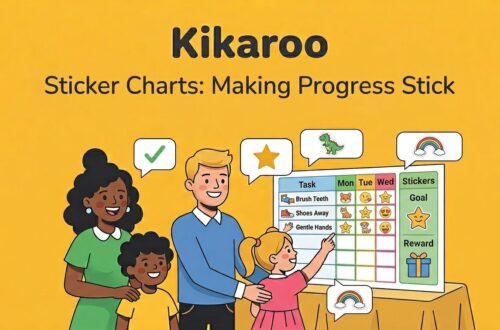
- Track progress. A free chore chart works for daily habits, and a sticker chart is great for younger kids. Alternatively, use an app: our roundup of the best chore apps for kids compares the options.
- Check in monthly. A short monthly chat (“How’s it going? Does the goal still fit?”) keeps goals alive.
- Celebrate effort, not perfection. Cheer for the days they did it, but don’t make a big deal of the days they didn’t. If you use rewards, see our tips on setting realistic chore rewards.
- Let goals change. If a goal turns out too easy or too hard, adjust it. That’s part of learning.
What to avoid
- Too many goals. One to three is plenty.
- Goals about weight or appearance. Focus on habits and skills instead.
- Goals you choose for them. Kids who set their own goals are more likely to stick with them.
- Turning goals into chores. “Help more at home” is a fine goal if your child picks it. However, a chore list you hand down isn’t a resolution.
- Punishing a missed day. One slip is part of the process. Restart the next day.
Frequently asked questions
What are good new year resolutions for kids?
Good resolutions are small, specific, and chosen by the child: reading for 10 minutes a day, trying a new food each week, practicing an instrument, or helping set the table. The age-by-age lists above are a good starting point.
How many new year goals should a child make?
One to three is plenty, because fewer, clearer goals are easier to track and more likely to stick.
What age can kids start making resolutions?
Most kids can start around age 4 or 5 with simple, concrete goals. In addition, kids ages 7 to 12 are at a good stage to learn about setting goals and tracking progress.
How do I help my child keep their resolution?
Make the goal visible, track it with a chart or app, check in once a month, and celebrate effort. Finally, adjust the goal if it isn’t working.
Should parents make resolutions with their kids?
Yes. A shared family goal shows kids how it works. Plus, it’s more fun when everyone is doing it.
Start small this week
You don’t need a long list or a perfect plan. First, sit down with your child, pick one goal they’re excited about, write it down, and choose a way to track it. Then check in at the end of January and see how it’s going.